


Showing: SAUNA HEATERS Tatpar · Show all
Saunaahi Tatpar F125
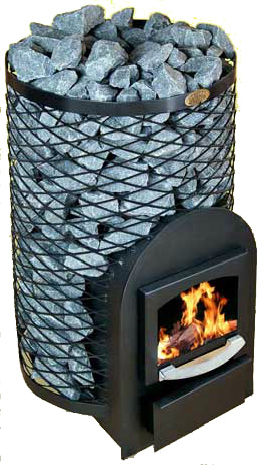
Saunaahi Tatpar F125
Output: 16-25m3
Height: 770mm
Width: 580mm
Depth: 600mm
Flue Ø: 115 top connection
Weight: 70kg
Stones: 200kg
Price: 695 EUR
Price: 598 EUR
Saunaahi LU-12

Saunaahi LU-12
Saunaahi LU-12
Kolde materjal: roostevaba teras 2-2,5 mm AISI 439
Log length:up to 40 cm
Output: 6-12 m3
Height: 810 mm
Width: 335 mm
Depth: 570 mm
Flue Ø: 115 top connection
Weight: 35 kg
Stones: 60 kg
Price: 498 EUR
Price: 398 EUR
Saunaahi TU-10

Saunaahi TU-10
Saunaahi TU-10
Log length:up to 39 cm
Output: 4-10 m3
Height: 702 mm
Width: 330 mm
Depth: 548 mm
Flue Ø: 115 top connection
Weight: 44 kg
Stones: 35 kg
Price: 398 EUR
Price: 298 EUR
Saunaahi Tatpar V-1S

Saunaahi Tatpar V-1S
Output:8-16 m3
Height:740mm
Width:530mm
Depth:590mm
Flue Ø:115 top connection
Weight:74kg
Stones:180-200kg
Price: 695€
Sauna heaters – preparing for use
Read the instructions before using your sauna heater: during the first firing the heater gives off paint and other odours. It is therefore recommended to fire the sauna heater for the first time outdoors or in a well-ventilated room, with the flue pipe already fitted. Do not put stones on the heater during the first firing.
How to choose a sauna heater
Make sure the sauna heater you choose is suitable for your sauna. A sauna room equipped with a suitable heater is ready for bathers after half an hour to an hour of heating. How the sauna heats up depends on the size of the room, the output of the heater and the materials of the walls and ceiling. If the walls and ceiling are uninsulated (i.e. made only of brick, tiles or concrete), a more powerful heater is needed: for every square metre of uninsulated wall, add 1.2 m³ to the calculated volume of the sauna. If the sauna walls are made of thick logs, multiply the sauna volume by 1.5. For example, the calculated volume of a 12 m³ sauna made of thick logs is 18 m³, and the heater must be chosen accordingly. Likewise, the calculated volume of a 10 m³ sauna with one 2 m wide and 2 m high brick wall is about 15 m³.
The safety distances of the sauna heater and the rules for correct and safe installation depend on the construction and materials of the sauna. These instructions explain how to install sauna heaters correctly and safely in different saunas. Read the instructions and regulations carefully before installing the heater. We also recommend that you look at all the accessories available for sauna heaters, such as chimneys and protective panels, which make the installation and safe use of the heater easier.
Sauna heaters – use and first firing
Sauna heaters are made so that the outer casing is coated with heat-resistant paint, which only reaches its final hardness during the first firing. Until then, avoid rubbing or scrubbing the painted surfaces. Do not touch the heater during the first firing, as the paint first becomes soft. Because of the properties of the paint, substances evaporating from the painted surfaces may cause odours. The first firing can be carried out outdoors or in a well-ventilated sauna room (where the heater is to be installed). Do not put stones on the heater during the first firing. If you fire the heater outdoors, fit flue pipes to ensure sufficient draught – this also gets rid of the smell of the paint on the flue pipes. One armful of wood is enough for the first firing. After the first firing the heater may still give off a smell of paint for some time. Note that a hot sauna heater amplifies even the faintest smell of paint and varnish, and even of food and aromas.
Sauna heater stones
Use only stones intended for sauna heaters, such as peridotite, olivine-dolerite or olivine sauna stones. Note! Rocks found in nature may contain harmful substances such as iron pyrite and should therefore not be used. Wash the stones thoroughly free of dust before placing them on the heater. Place the larger stones at the bottom. Smaller stones go on top, as they also heat up when they are not in direct contact with the hot steel surface of the heater. Do not stack the stones too tightly – air must be able to flow through the heater. Note! The stones must not obstruct the air circulation between the heater casing and the combustion chamber; in other words, they must not block the openings of the heater’s ventilation system.
Firing a sauna heater
Wood is the best fuel for a sauna heater. Do not use materials with a high combustion temperature, such as chipboard, plastic, coal, briquettes, wood pellets, etc. The draught of the heater is most effectively regulated by opening and closing the ash pan. Firing with too strong a draught makes the heater red-hot, which significantly shortens its life. However, the draught must be sufficient to heat the stones properly. Firing occasionally with a stronger draught burns off soot that has built up in the flue channels and improves the heating properties of the heater. In general, it is useful to keep the ash pan slightly open at the start, which helps the flame to catch properly. When the sauna room is hot and it is time to bathe, you can close the ash pan to reduce the flame and save wood. Heating the sauna depends on the size of the room, the output of the heater and the building materials of the walls and ceiling. A sauna room equipped with a suitable heater is ready for bathers after half an hour to an hour of heating.
Requirements for sauna water
Use only clean household water for throwing on the heater. The water must be of sufficient quality, as water containing salt, lime, iron or humus can make the heater rust prematurely. Sea water causes rust particularly quickly.
Maintaining sauna heaters
Sauna heaters have flue channels where soot and ash collect; these should be removed from time to time through the round cleaning openings in the walls of the stone chamber. Over time the stones crumble, so they should be rearranged at least once a year – more often if the sauna is used very frequently. At the same time, remove all stone fragments from the stone chamber and replace crumbled stones with new ones. The chimney must be cleaned regularly to ensure sufficient draught. Always empty the ash pan before firing, so that the combustion air entering through the ash pan can cool the grate, which extends its life. Use a metal container, preferably a standing one, for the ash. Do not place the ash container near combustible materials, as the ash may contain glowing embers.
The sauna room
Effects of heating on the sauna room. In normal use the metal casing of the heater becomes extremely hot. Due to large temperature fluctuations the stones crumble over time, so small pieces of stone are washed onto the floor by the water thrown on the heater. Because of the enormous heat in the stone chamber, metal flakes may also fall onto the floor. Ash, stone fragments and metal flakes falling from the heater stain light-coloured floors, so only dark grout and ceramic floor tiles should be used under and around the heater.
The wooden parts of the sauna room, such as wall panels, darken over time; sunlight and the heat of the heater speed up this process. If the wood has been treated with protective agents, the wall above the heater starts to darken quite quickly. The speed of darkening also partly depends on the protective agent used – tests have shown that darkening results from the poor heat resistance of the agent. Fine particles from the stones may also darken the wall near the heater. If you follow the installation instructions approved by the manufacturer, the temperature of combustible materials in the sauna stays within safe limits while the heater is in use. The maximum permitted temperature of wall and ceiling surfaces is +130 °C.
Sauna room ventilation
Good ventilation makes a sauna much more enjoyable. The traditional ventilation solution is based on natural air circulation: fresh air enters through an opening near the floor next to the heater and leaves through an opening under the ceiling as far from the heater as possible. As the heater itself ensures efficient air circulation, the purpose of the ceiling opening is to remove moisture from the sauna room after bathing. Air entering near the floor flows between the hot inner combustion chamber and the outer casing of the heater. The heated air leaves at the top and raises the temperature of the sauna room. As wood needs a lot of air to burn, the combustion chamber draws air into itself. The air circulation in the sauna room is created by the combined effect of the rising air currents and this effect. An alternative (which can be used with mechanical ventilation) is to bring fresh air in through an opening 500 mm above the heater, where it mixes with the air rising from the heater. This creates sufficient air circulation in the sauna room. The air is extracted mechanically, for example through openings near the floor under the sauna benches.