


Saunaahi Kastor Saga 30 T
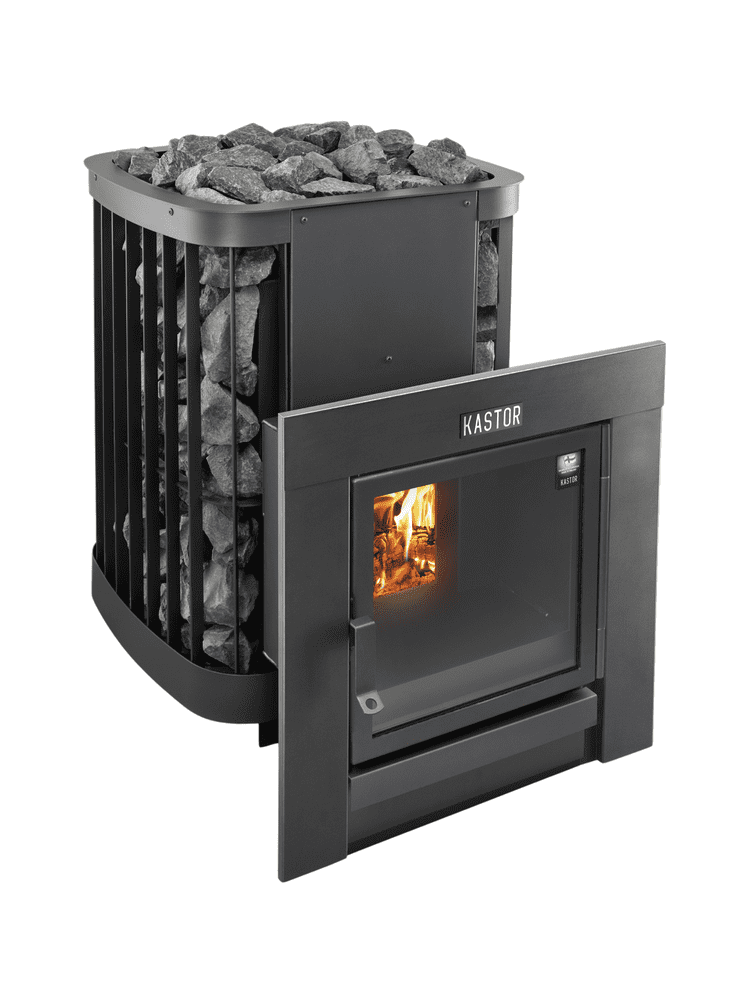
Saunaahi Kastor Saga 30 T
Output: 20-30 m3
Height: 930mm
Width: 675mm
Depth: 585mm
Flue Ø: 115 top connection
Weight: 140 kg
Stones: 180-190 kg
Price: 2345 EUR
Black flue collar: 149 EUR
Stainless steel flue collar: 149 EUR
Elektrikeris Saunum SPA Session 9kW must
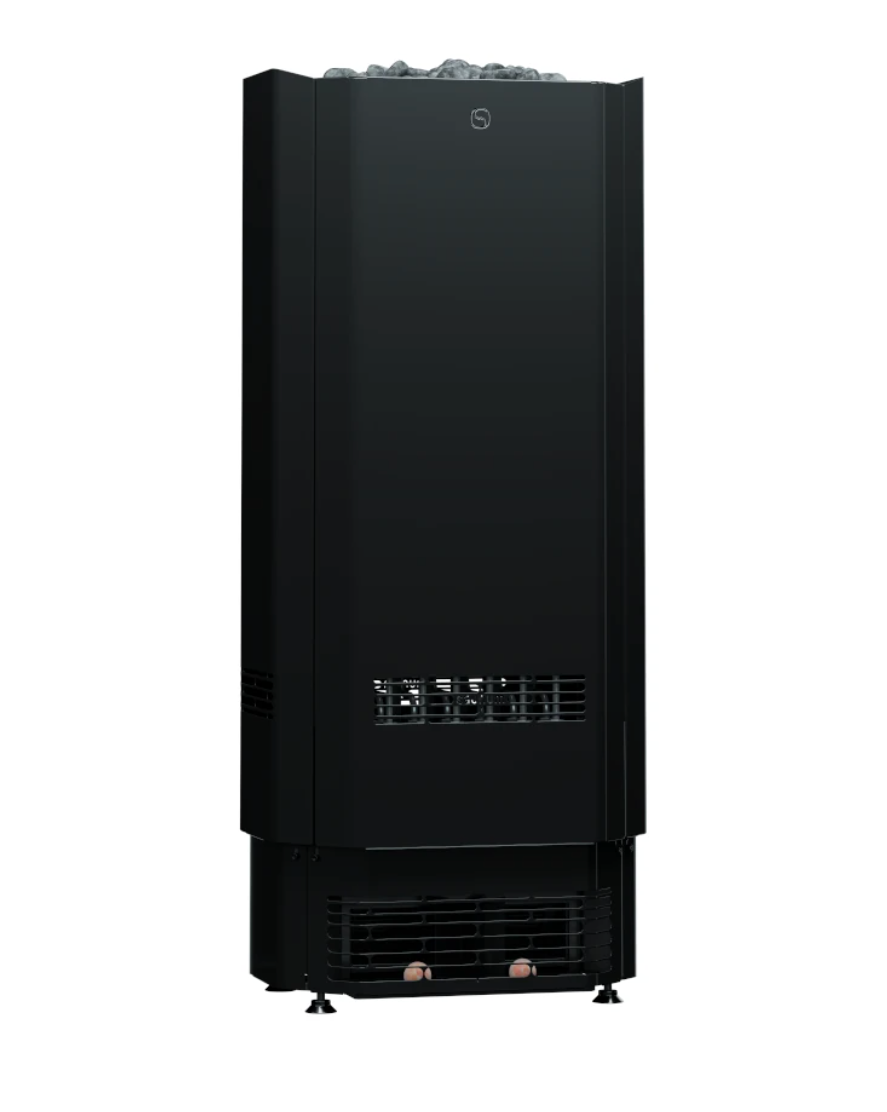
Elektrikeris Saunum SPA Session 9kW must
Output: 9kW
Price: 4899 EUR
Elektrikeris Saunum Luxury antratsiit
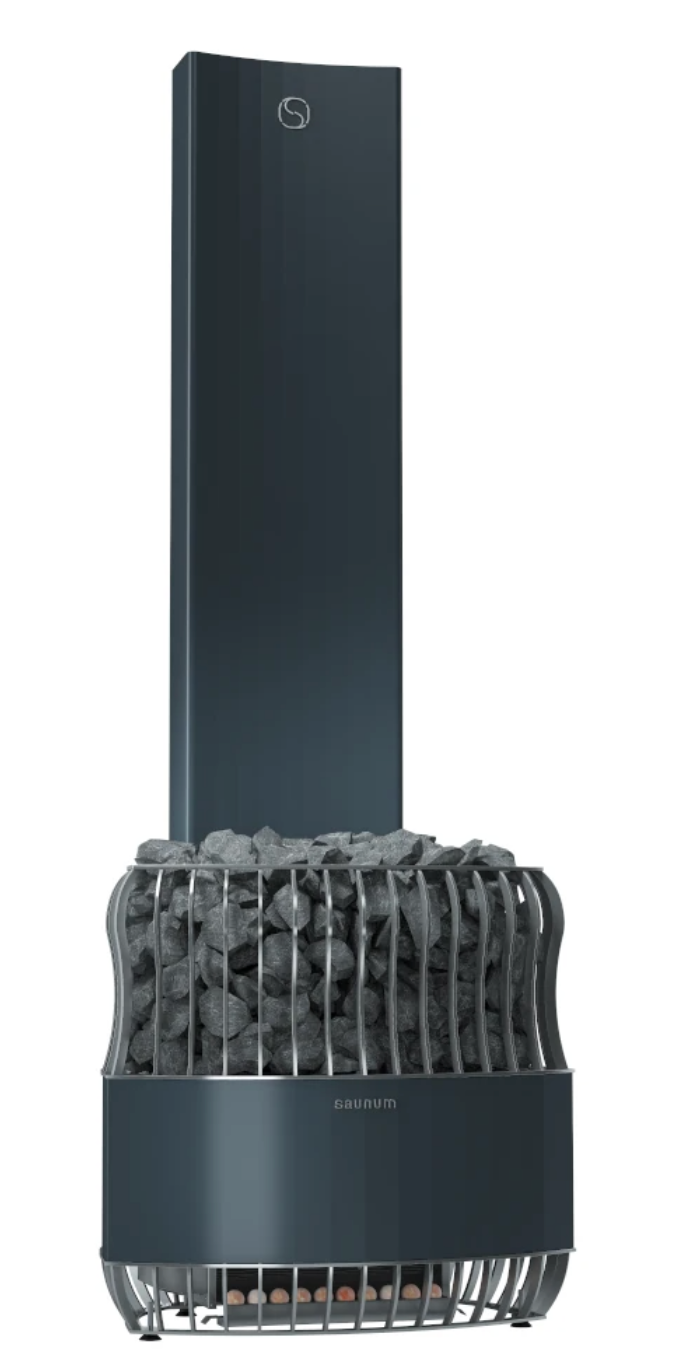
Elektrikeris Saunum Luxury antratsiit
Output: 13,2; 16,6; 19,8kW
Price: 10129 EUR
Elektrikeris Saunum Luxury roostevaba
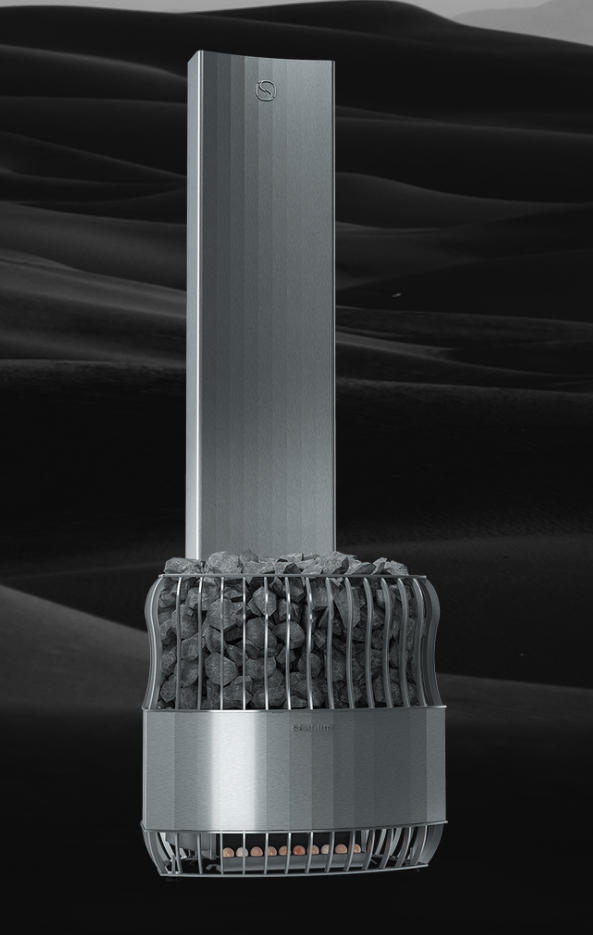
Elektrikeris Saunum Luxury roostevaba
Output: 13,2; 16,6; 19,8kW
Price: 10129 EUR
Saunaahi LU-12

Saunaahi LU-12
Saunaahi LU-12
Kolde materjal: roostevaba teras 2-2,5 mm AISI 439
Log length:up to 40 cm
Output: 6-12 m3
Height: 810 mm
Width: 335 mm
Depth: 570 mm
Flue Ø: 115 top connection
Weight: 35 kg
Stones: 60 kg
Price: 498 EUR
Price: 398 EUR
Saunaahi TU-10

Saunaahi TU-10
Saunaahi TU-10
Log length:up to 39 cm
Output: 4-10 m3
Height: 702 mm
Width: 330 mm
Depth: 548 mm
Flue Ø: 115 top connection
Weight: 44 kg
Stones: 35 kg
Price: 398 EUR
Price: 298 EUR
Saunaahi Kastor Karhu 20 Home
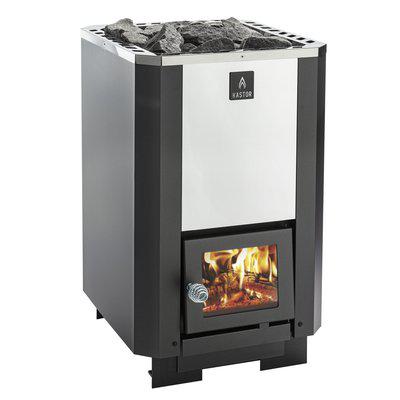
Saunaahi Karhu 20 Home
Log length:up to 350mm
Output: 8-20 m3
Height: 730 mm
Width: 435 mm
Depth: 475 mm
Flue Ø: 115 top connection
Stones: 40 kg
Price: 720 EUR
Price: 650 EUR
Saunaaken 600x600mm
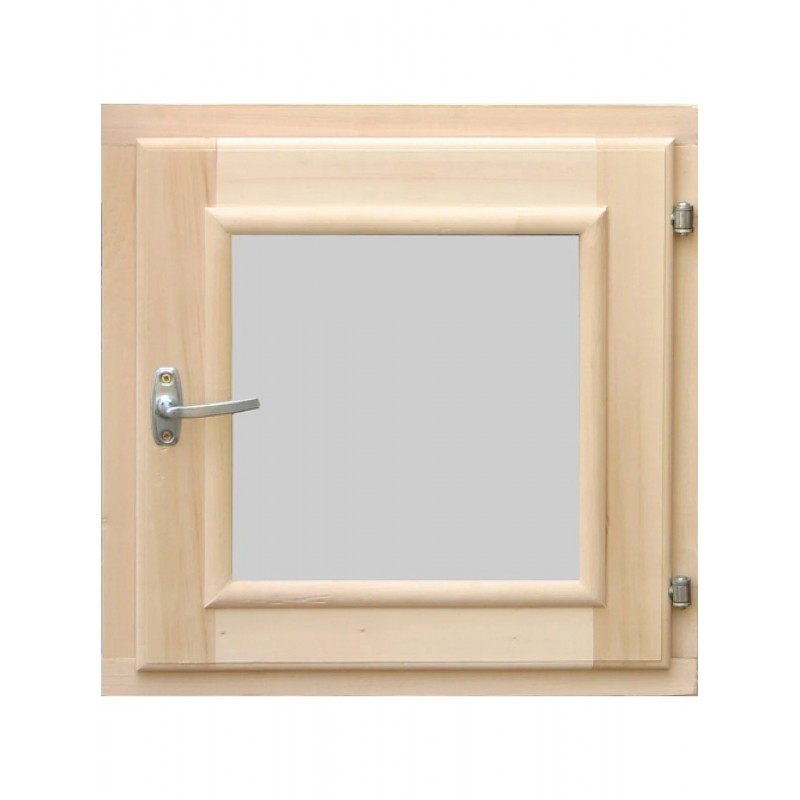
Saunaaken 600x600mm
Saunaaken topeltklaasiga, karastatud
Size: 600x600mm
Price: 153 EUR
Saunaahi Huum Hive Flow Mini

Saunaahi Huum Hive Flow Mini
Sauna room volume: 6-14 m3
Height: 884 mm
Width: 450 mm
Depth: 493 mm
Stone quantity: 105 kg
Weight: 54 kg
Log length: 300mm
Flue: 114mm
Price: 1499 EUR
LS mudel: 1579 EUR
Saunaahi Huum Hive Flow

Saunaahi Huum Hive Flow
Sauna room volume: 8-18 m3
Height: 884 mm
Width: 526 mm
Depth: 586 mm
Stone quantity: 150 kg
Weight: 67 kg
Log length: 300mm
Flue: 114mm
Price: 1640 EUR
LS mudel: 1720 EUR
Elekrikerise katted huum core mudelile

Elektrikerise katted Huum Core mudelile
Lepp- 446 EUR
Haab- 446 EUR
Termohaab- 555 EUR
Elektrikeris Huum Core

Elektrikeris Huum Core
6kW- 1022 EUR
9kW- 1128 EUR
11kW-1260 EUR
Elektrikeris Huum Steel

Elektrikeris Huum Steel
4kW- 540 EUR
6kW- 669 EUR
9kW- 765 EUR
11kW-823 EUR
Elektrikeris Huum Cliff

Elektrikeris Huum Cliff
4kW- 690 EUR
6kW- 807 EUR
9kW- 909 EUR
11kW-992 EUR
Pelletiga saunaahi Venere 9

Pelletiga saunaahi Venere 6
Output: 6,5kW
Heats: 6-10m3
Height: 1078mm
Width: 428mm
Depth: 415mm
Flue Ø: 80 top connection
Container: 15kg
Flue gas temperature: 225°C
Pellet consumption: 1,35kg/tunnis
Weight:100kg
Drawing
Price: 3697-3819 EUR
Pelletiga saunaahi Venere 9

Pelletiga saunaahi Venere 9
Output: 9kW
Heats: 8-14m3
Height: 1108mm
Width: 720mm
Depth: 415mm
Flue Ø: 80 top connection
Container: 15kg
Flue gas temperature: 295°C
Pellet consumption: 2kg/tunnis
Weight:120kg
Drawing
Price: 4307-4550 EUR
Pelletiga saunaahi Venere 13

Pelletiga saunaahi Venere 13
Output: 13kW
Heats: 12-20m3
Height: 1108mm
Width: 720mm
Depth: 415mm
Flue Ø: 80 top connection
Container: 15kg
Flue gas temperature: 295°C
Pellet consumption: 2,7kg/tunnis
Weight:120kg
Drawing
Price: 4555-4795 EUR
Veepaak suitsutorule 24L must

Veepaak suitsutorule 24L, must
Volume: 24L
Tap connection: 1/2″
Diameter: 360x250mm
Height: 400mm
Flue size: 115mm
Price: 249 EUR
Veepaak suitsutorule 24L

Veepaak suitsutorule 24L kraaniga
Volume:24L
Tap connection:1/2″
Diameter:360x250mm
Height:400mm
Flue size:115mm
Price: 198EUR
Saunaahi Vilpra GRANNUS VPR-8

Saunaahi Vilpra GRANNUS VPR-8
Halu pikkus kuni 340mm
Output: 6-10 m3
Height: 600mm
Width: 420mm
Depth: 510mm
Flue Ø:115 top connection
Flue gas temp.: 542°C
Weight:23kg
Price: 574 EUR
Saunaahi Vilpra FORNAX-14-V
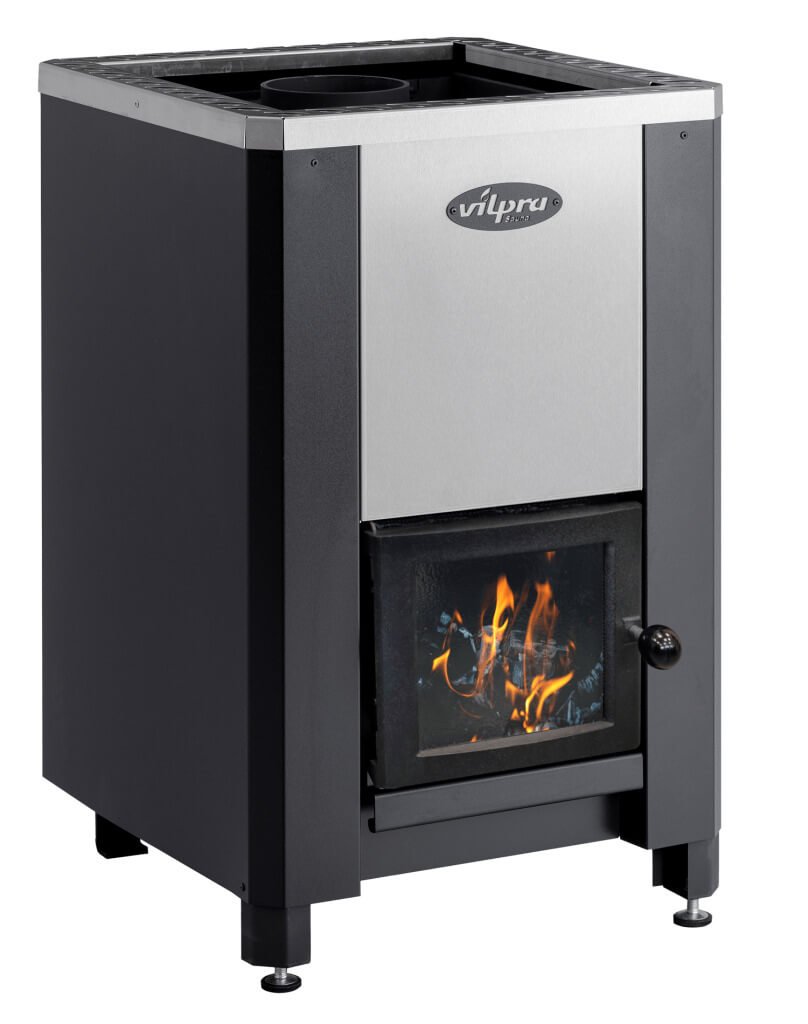
Saunaahi Vilpra FORNAX-14-V
Halu pikkus kuni 340mm
Output: 7-13 m3
Height: 670mm
Width: 420mm
Depth: 440mm
Flue Ø:115 top connection
Flue gas temp.: 430°C
Weight:50kg
Price: 723 EUR
Saunaahi Vilpra FORNAX-14-L-V

Saunaahi Vilpra FORNAX-14-L-V
Halu pikkus kuni 340mm
Output: 7-13 m3
Height: 670mm
Width: 420mm
Depth: 440+180mm
Flue Ø:115 top connection
Flue gas temp.: 430°C
Weight:50kg
Price: 723 EUR
Saunaahi Vilpra ETNA VPR-22

Saunaahi Vilpra ETNA VPR-22
Log length:up to 380mm
Output:10-24 m3
Height:730mm
Width:420mm
Depth:520mm
Flue Ø:115 top connection
Flue gas temp.: 340°C
Weight:70kg
Price: 745 EUR
Saunaahi Vilpra ETNA VPR-22-WT veesoojenduspaagiga

Saunaahi Vilpra ETNA VPR-22-WT veesoojenduspaagiga
Log length:up to 360mm
Output:10-24 m3
Height:730mm
Width:420mm
Depth:660mm
Flue Ø:115 top connection
Flue gas temp.: 367°C
Weight:75kg
Price: 860 EUR
Sauna heaters – preparing for use
Read the instructions before using your sauna heater: during the first firing the heater gives off paint and other odours. It is therefore recommended to fire the sauna heater for the first time outdoors or in a well-ventilated room, with the flue pipe already fitted. Do not put stones on the heater during the first firing.
How to choose a sauna heater
Make sure the sauna heater you choose is suitable for your sauna. A sauna room equipped with a suitable heater is ready for bathers after half an hour to an hour of heating. How the sauna heats up depends on the size of the room, the output of the heater and the materials of the walls and ceiling. If the walls and ceiling are uninsulated (i.e. made only of brick, tiles or concrete), a more powerful heater is needed: for every square metre of uninsulated wall, add 1.2 m³ to the calculated volume of the sauna. If the sauna walls are made of thick logs, multiply the sauna volume by 1.5. For example, the calculated volume of a 12 m³ sauna made of thick logs is 18 m³, and the heater must be chosen accordingly. Likewise, the calculated volume of a 10 m³ sauna with one 2 m wide and 2 m high brick wall is about 15 m³.
The safety distances of the sauna heater and the rules for correct and safe installation depend on the construction and materials of the sauna. These instructions explain how to install sauna heaters correctly and safely in different saunas. Read the instructions and regulations carefully before installing the heater. We also recommend that you look at all the accessories available for sauna heaters, such as chimneys and protective panels, which make the installation and safe use of the heater easier.
Sauna heaters – use and first firing
Sauna heaters are made so that the outer casing is coated with heat-resistant paint, which only reaches its final hardness during the first firing. Until then, avoid rubbing or scrubbing the painted surfaces. Do not touch the heater during the first firing, as the paint first becomes soft. Because of the properties of the paint, substances evaporating from the painted surfaces may cause odours. The first firing can be carried out outdoors or in a well-ventilated sauna room (where the heater is to be installed). Do not put stones on the heater during the first firing. If you fire the heater outdoors, fit flue pipes to ensure sufficient draught – this also gets rid of the smell of the paint on the flue pipes. One armful of wood is enough for the first firing. After the first firing the heater may still give off a smell of paint for some time. Note that a hot sauna heater amplifies even the faintest smell of paint and varnish, and even of food and aromas.
Sauna heater stones
Use only stones intended for sauna heaters, such as peridotite, olivine-dolerite or olivine sauna stones. Note! Rocks found in nature may contain harmful substances such as iron pyrite and should therefore not be used. Wash the stones thoroughly free of dust before placing them on the heater. Place the larger stones at the bottom. Smaller stones go on top, as they also heat up when they are not in direct contact with the hot steel surface of the heater. Do not stack the stones too tightly – air must be able to flow through the heater. Note! The stones must not obstruct the air circulation between the heater casing and the combustion chamber; in other words, they must not block the openings of the heater’s ventilation system.
Firing a sauna heater
Wood is the best fuel for a sauna heater. Do not use materials with a high combustion temperature, such as chipboard, plastic, coal, briquettes, wood pellets, etc. The draught of the heater is most effectively regulated by opening and closing the ash pan. Firing with too strong a draught makes the heater red-hot, which significantly shortens its life. However, the draught must be sufficient to heat the stones properly. Firing occasionally with a stronger draught burns off soot that has built up in the flue channels and improves the heating properties of the heater. In general, it is useful to keep the ash pan slightly open at the start, which helps the flame to catch properly. When the sauna room is hot and it is time to bathe, you can close the ash pan to reduce the flame and save wood. Heating the sauna depends on the size of the room, the output of the heater and the building materials of the walls and ceiling. A sauna room equipped with a suitable heater is ready for bathers after half an hour to an hour of heating.
Requirements for sauna water
Use only clean household water for throwing on the heater. The water must be of sufficient quality, as water containing salt, lime, iron or humus can make the heater rust prematurely. Sea water causes rust particularly quickly.
Maintaining sauna heaters
Sauna heaters have flue channels where soot and ash collect; these should be removed from time to time through the round cleaning openings in the walls of the stone chamber. Over time the stones crumble, so they should be rearranged at least once a year – more often if the sauna is used very frequently. At the same time, remove all stone fragments from the stone chamber and replace crumbled stones with new ones. The chimney must be cleaned regularly to ensure sufficient draught. Always empty the ash pan before firing, so that the combustion air entering through the ash pan can cool the grate, which extends its life. Use a metal container, preferably a standing one, for the ash. Do not place the ash container near combustible materials, as the ash may contain glowing embers.
The sauna room
Effects of heating on the sauna room. In normal use the metal casing of the heater becomes extremely hot. Due to large temperature fluctuations the stones crumble over time, so small pieces of stone are washed onto the floor by the water thrown on the heater. Because of the enormous heat in the stone chamber, metal flakes may also fall onto the floor. Ash, stone fragments and metal flakes falling from the heater stain light-coloured floors, so only dark grout and ceramic floor tiles should be used under and around the heater.
The wooden parts of the sauna room, such as wall panels, darken over time; sunlight and the heat of the heater speed up this process. If the wood has been treated with protective agents, the wall above the heater starts to darken quite quickly. The speed of darkening also partly depends on the protective agent used – tests have shown that darkening results from the poor heat resistance of the agent. Fine particles from the stones may also darken the wall near the heater. If you follow the installation instructions approved by the manufacturer, the temperature of combustible materials in the sauna stays within safe limits while the heater is in use. The maximum permitted temperature of wall and ceiling surfaces is +130 °C.
Sauna room ventilation
Good ventilation makes a sauna much more enjoyable. The traditional ventilation solution is based on natural air circulation: fresh air enters through an opening near the floor next to the heater and leaves through an opening under the ceiling as far from the heater as possible. As the heater itself ensures efficient air circulation, the purpose of the ceiling opening is to remove moisture from the sauna room after bathing. Air entering near the floor flows between the hot inner combustion chamber and the outer casing of the heater. The heated air leaves at the top and raises the temperature of the sauna room. As wood needs a lot of air to burn, the combustion chamber draws air into itself. The air circulation in the sauna room is created by the combined effect of the rising air currents and this effect. An alternative (which can be used with mechanical ventilation) is to bring fresh air in through an opening 500 mm above the heater, where it mixes with the air rising from the heater. This creates sufficient air circulation in the sauna room. The air is extracted mechanically, for example through openings near the floor under the sauna benches.