


- FIREPLACE INSERTS NORDFLAM
- FIREPLACE INSERTS KRATKI
- FIREPLACE INSERTS HITZE
- FIREPLACE INSERTS Haas-Sohn
- FIREPLACE INSERTS THERMOROSSI
- FIREPLACE INSERTS PANADERO
- FIREPLACE INSERTS BEF
- FIREPLACE INSERTS GIROLAMI
- FIREPLACE INSERTS UNICO
- FIREPLACE INSERTS SEGUIN
- FIREPLACE INSERTS ROMOTOP
- FIREPLACE INSERTS M-DESIGN
- FIREPLACE INSERTS LANORDICA
- FIREPLACE INSERTS JOTUL
- FIREPLACE INSERTS INVICTA
- FIREPLACE INSERTS EDILKAMIN
- FIREPLACE INSERTS DOVRE
- FIREPLACE INSERTS DEFRO
- FIREPLACE INSERTS MORETTIDESIGN
- FIREPLACE INSERTS HAJDUK
- FIREPLACE INSERTS HEATRO
- FIREPLACE INSERTS KAWMET
- FIREPLACE INSERTS ECO
- FIREPLACE INSERTS DENIA
- FIREPLACE INSERTS CARBEL
- FIREPLACE INSERTS ECHATECH
- FIREPLACE INSERTS Bellido
- FIREPLACE INSERTS Hergom
- FIREPLACE INSERTS HWAM
- FIREPLACE INSERTS EvaCalor
- BOILER FIREPLACE INSERTS HITZE
- BOILER FIREPLACE INSERTS Haas-Sohn
- BOILER FIREPLACE INSERTS HERGOM
- BOILER FIREPLACE INSERTS KRATKI
- BOILER FIREPLACE INSERTS BEF
- BOILER FIREPLACE INSERTS EKKOM
- BOILER FIREPLACE INSERTS KAWMET
- BOILER FIREPLACE INSERTS LANORDICA
- BOILER FIREPLACE INSERTS EDILKAMIN
- BOILER FIREPLACE INSERTS DEFRO
- BOILER FIREPLACE INSERTS HAJDUK
- BOILER FIREPLACE INSERTS C.T.L.
A fireplace insert is the firebox around which a fireplace of your own design is built. It is the right choice if you want a fireplace built into a wall or in a specific place. A central heating fireplace insert also heats water for radiators in addition to the room. The range includes single-glass, corner and three-sided inserts as well as central heating fireplace inserts. We will help you choose the right output and chimney – visit our showroom in Tallinn or Pärnu or ask for advice.
Showing: FIREPLACE INSERTS Romotop · Show all
Kaminasüdamik Romotop 50.52.50.24 HEAT U
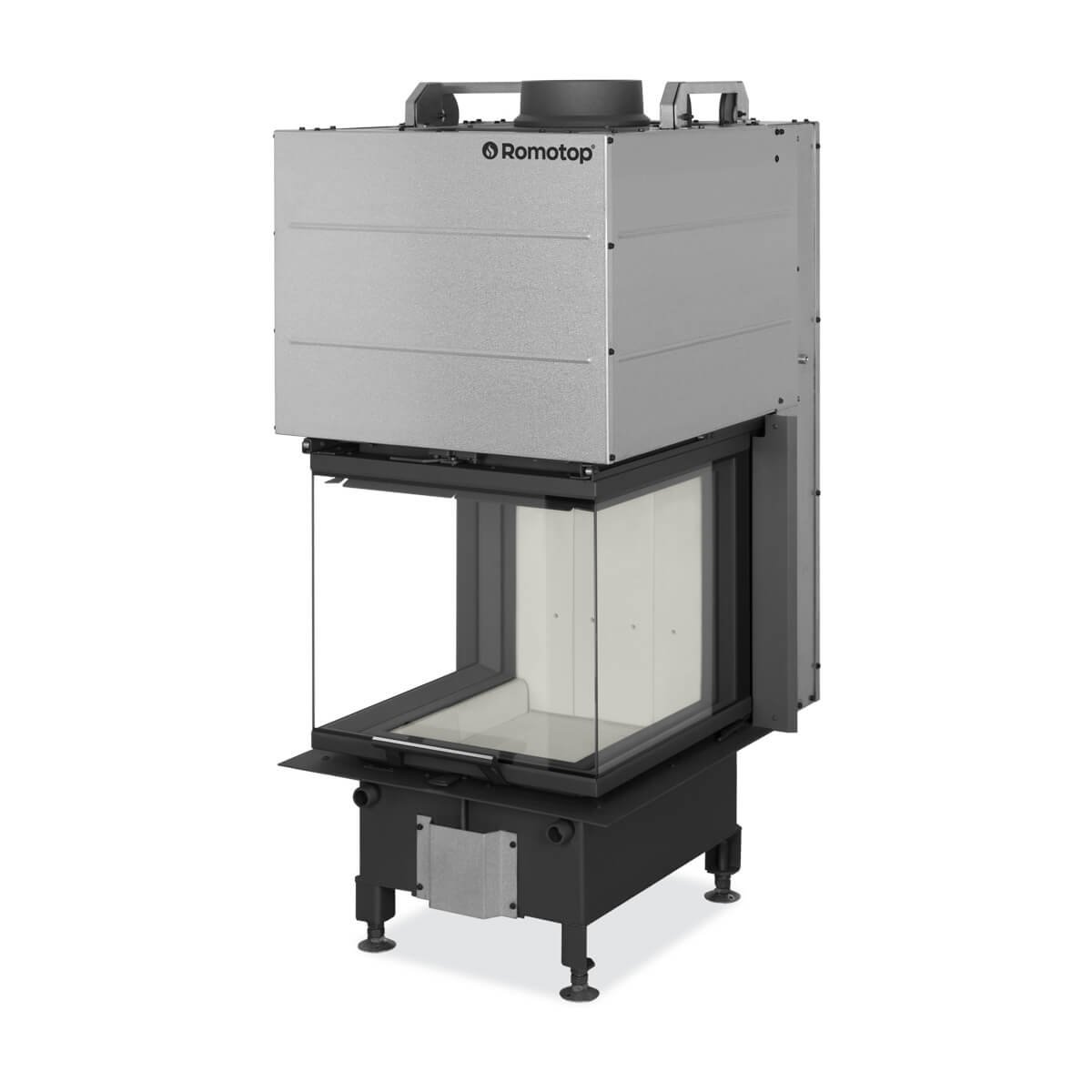
Kaminasüdamik 50.52.50.24 HEAT U
Output: 10 kW
Height: 1382 mm
Width: 582 mm
Depth: 749 mm
Flue diameter: 200 mm
Weight: 240kg
Price: 3929 EUR
Kaminasüdamik Romotop HEAT 2G 42.50.01

Kaminasüdamik HEAT 2G 42.50.01
Kaminasüdamik HEAT 2G 42.50.01
Output: 7 kW
Height: 1003 mm
Width: 419 mm
Depth: 491 mm
Flue diameter: 150 mm
Weight: 105kg
Price: 1230 EUR
Kaminasüdamik Romotop HEAT 59.44 Slim

Kaminasüdamik HEAT 59.44 Slim
Kaminasüdamik HEAT 59.44 Slim
Output: 7 kW
Height: 882 mm
Width: 592 mm
Depth: 370 mm
Flue diameter: 150 mm
Weight: 117kg
Price: 1362 EUR
Kaminasüdamik Romotop HEAT 2G 59.50.01

Kaminasüdamik HEAT 2G 59.50.01
Kaminasüdamik HEAT 2G 59.50.01
Output: 10 kW
Height: 1003 mm
Width: 589 mm
Depth: 541 mm
Flue diameter: 150 mm
Weight: 150kg
Price: 1424 EURPrice: 1320 EUR
Kaminasüdamik Romotop HEAT 2G 70.44.13

Kaminasüdamik HEAT 2G 70.44.13
Kaminasüdamik HEAT 2G 70.44.13
Output: 8 kW
Height: 923 mm
Width: 699 mm
Depth: 340 mm
Flue diameter: 150 mm
Weight: 133kg
Price: 1467 EUR
Kaminasüdamik Romotop HEAT 2G 70.44.01

Kaminasüdamik HEAT 2G 70.44.01
Kaminasüdamik HEAT 2G 70.44.01
Output: 12 kW
Height: 902 mm
Width: 699 mm
Depth: 490 mm
Flue diameter: 150 mm
Weight: 168 kg
Price: 1573 EUR
Price: 1415 EUR
Kaminasüdamik Romotop HEAT 2G 70.50.01
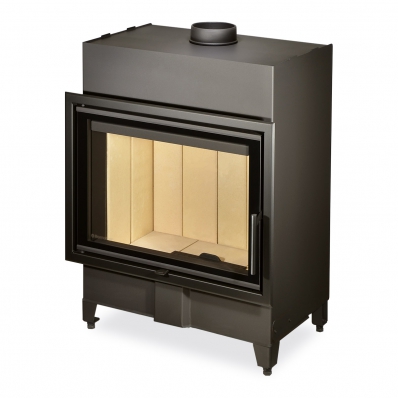
Kaminasüdamik HEAT 2G 70.50.01
Output: 9 kW
Height: 964 mm
Width: 699 mm
Depth: 490 mm
Flue diameter: 150 mm
Weight: 170 kg
Price: 1573 EUR
Price: 1415 EUR
Kaminasüdamik Romotop HEAT 2G 80.50.01

Kaminasüdamik HEAT 2G 80.50.01
Kaminasüdamik
HEAT 2G 80.50.01
Output: 9 kW
Height: 1005 mm
Width: 799 mm
Depth: 541 mm
Flue diameter: 200 mm
Weight: 185kg
Price: 1678 EUR
Price: 1509 EUR
Kaminasüdamik Romotop HEAT R/L 2G S 50.44.33.13(23)

Kaminasüdamik HEAT R/L 2G S 50.44.33.13(23)
HEAT R/L 2G S 50.44.33.13(23)
Output: 7 kW
Height: 983 mm
Width: 500 mm
Depth: 370 mm
Flue diameter: 150 mm
Weight: 100kg
Price: 1533 EUR
Kaminasüdamik Romotop HEAT R/L 2G S 65.51.40.01(21)

Kaminasüdamik HEAT R/L 2G S 65.51.40.01(21)
HEAT R/L 2G S 65.51.40.01(21)
Output: 6,9 kW
Height: 1141 mm
Width: 713 mm
Depth: 515 mm
Flue diameter: 200 mm
Weight: 162kg
Price: 2097 EUR
Kaminasüdamik Romotop HEAT R/L 2G S 70.44.33.13(23)

Kaminasüdamik HEAT R/L 2G S 70.44.33.13
HEAT R/L 2G S 70.44.33.13
Output: 7 kW
Height: 983 mm
Width: 700 mm
Depth: 370 mm
Flue diameter: 150 mm
Weight: 130kg
Price: 1767 EUR (2 klaasi)
Price: 2422EUR
Price: 2179 EUR
(painutatud klaas)
Kaminasüdamik Romotop HEAT T 3G 70.50.01

Kaminasüdamik HEAT T 3G 70.50.01
Kaminasüdamik
HEAT T 3G 70.50.01
Output: 7,9 kW
Height: 1192 mm
Width: 808 mm
Depth: 570 mm
Flue diameter: 150 mm
Weight: 190kg
Kaminasüdamik Romotop HEAT T 3G L 88.50.01

Kaminasüdamik HEAT T 3G L 88.50.01
Kaminasüdamik
HEAT T 3G L 88.50.01
Tõstetava uksega
Output: 11,6 kW
Height: 1426 mm
Width: 1186 mm
Depth: 585 mm
Flue diameter: 200 mm
Weight: 335kg
Kaminasüdamik Romotop HEAT R/L 3G L 50.51.40.21

Kaminasüdamik HEAT R/L 3G L 50.51.40.21
HEAT R/L
3G L 50.51.40.21
Tõstetava uksega
Output: 6,5 kW
Height: 1357 mm
Width: 727 mm
Depth: 627 mm
Flue diameter: 180 mm
Weight: 195kg
Price: 2461 EUR
Kaminasüdamik Romotop HEAT 3G L 66.50.04

Kaminasüdamik HEAT 66.50.04
Output: 3,9-10,1 kW
Height: 1336 mm
Width: 964 mm
Depth: 548 mm
Flue diameter: 200 mm
Weight: 223kg
Price: 2856 EUR
Price: 2569 EUR
Kaminasüdamik Romotop HEAT 3G L 88.66.01

Kaminasüdamik HEAT 3G L 88.66.01
HEAT 3G L 88.66.01
Tõstetava uksega
Output: 10,9 kW
Height: 1648 mm
Width: 1184 mm
Depth: 555 mm
Flue diameter: 200 mm
Weight: 315kg
Price: 3420 EURPrice: 3077 EUR
Kaminasüdamik Romotop HEAT 3G L 88.50.04

Kaminasüdamik HEAT 3G L 88.50.04
Tõstetava uksega
Output: 9 kW
Height: 1331 mm
Width: 1184 mm
Depth: 545 mm
Flue diameter: 200 mm
Weight: 270kg
Price: 3161 EUR
Kaminasüdamik Romotop HEAT 3G L 110.50.04

Kaminasüdamik 110.50.04 HEAT 3G L
HEAT 3G L 110.50.04
Tõstetava uksega
Output: 12 kW
Height: 1331 mm
Width: 1404 mm
Depth: 545 mm
Flue diameter: 200 mm
Weight: 315kg
Price: 3365 EUR
KAMINASÜDAMIK Romotop 50.52.70 HEAT U

KAMINASÜDAMIK 50.52.70 HEAT U (HU3LF-24)
Output: 10kW
Height: 1382mm
Width: 582mm
Depth: 950mm
Flue diameter: 200mm
Weight: 280kg
Price: 4332 EUR
Price: 3898 EUR
Kaminasüdamik Romotop HEAT C 3G L 50.52.31.24

Kaminasüdamik HEAT C 3G L
50.52.31.24
Kaminasüdamik HEAT C 3G L
50.52.31.24
Output: 5,7 kW
Height: 1342 mm
Width: 657 mm
Depth: 560 mm
Flue diameter: 150 mm
Weight: 180kg
Price: 3263 EUR
Kaminasüdamik Romotop heat 65.52.31.24 C 3G L

Kaminasüdamik Romotop heat 65.52.31.24 C 3G L
Heat 65.52.31.24 C 3G L
Output: 3,9-10,1 kW
Height: 1342 mm
Width: 807 mm
Depth: 560 mm
Flue diameter: 200 mm
Weight: 210kg
1 või 3-klaasiga
Price: 3366 EUR
Kaminasüdamik Romotop 80.52.31.24 HEAT C 3G L

Kaminasüdamik Romotop 80.52.31.24 HEAT C 3G L
Kaminasüdamik 80.52.31.24 HEAT C 3G L
Output: 12 kW
Height: 1342 mm
Width: 957 mm
Depth: 560 mm
Flue diameter: 200 mm
Weight: 245kg
Price: 3570 EUR
Price: 3213 EUR
Kaminasüdamik Romotop IMPRESSION 2G 42.60.01

Kaminasüdamik Romotop IMPRESSION 2G 42.60.01
Kaminasüdamik IMPRESSION
2G 42.60.01
Output: 7 kW
Height: 1316 mm
Width: 598 mm
Depth: 447 mm
Flue diameter: 160 mm
Weight: 149kg
Price: 2646 EUR
Kaminasüdamik Romotop IMPRESSION 2G 55.60.01

Kaminasüdamik Romotop IMPRESSION 2G 55.60.01
Kaminasüdamik IMPRESSION
2G 55.60.01
Output: 8,4 kW
Height: 1316 mm
Width: 723 mm
Depth: 447 mm
Flue diameter: 160 mm
Weight: 172kg
Price: 2791 EUR
What a fireplace insert is for
A fireplace insert is designed to be built in and is used as an additional heat source in the room where it is installed.
Choosing a fireplace insert
The output of a fireplace insert depends on how well the room is insulated and on the volume to be heated. As a rule of thumb, for a sufficiently insulated room 1 kW of output is enough for 10 m² of floor area with a standard ceiling height (2.5 m). You can always consult our fireplace specialists.
Installing a fireplace insert
Installation of a fireplace insert must comply with applicable legislation, standards, the manufacturer’s instructions and good building practice. The installation should be carried out by a specialist or a qualified company and must comply with national and local regulations.
Chimney flues
Fireplace inserts should be connected to a separate chimney flue in accordance with applicable legislation. It is recommended that:
- the minimum height of the flue is 3.5–4 m, optimally 5–6 m, measured from the firebox;
- the flue is leak-tight, has the same diameter along its entire length and rises about 0.5 m above the ridge of the roof so as not to impede the draught;
- in special situations (wind load zones II and III, local topography) chimney cowls that prevent smoke from blowing back are used.
Attention! If the chimney flue:
- is smaller than recommended,
- is located on a building in an unfavourable position (e.g. near high-rise buildings or in a valley),
- deviates from the vertical and/or has long horizontal sections,
the required negative pressure (draught) may be missing, so flue gases are not drawn out and the fireplace insert smokes. Before installing a fireplace insert, a chimney sweep should assess the draught of the flue and whether the existing flue can be connected to the insert. The draught of the chimney should be 12 ± 2 Pa. A flue with a draught above 12 Pa can cause the insert to overheat and void the warranty. The minimum draught should be 6 ± 1 Pa.
Ventilation and air supply
In rooms where flue gases from fireplace inserts are removed by natural draught, mechanical extract ventilation is not permitted, with the exception of heat recovery units. When a fireplace insert is in use, the room must be supplied with sufficient air: at least 10 m³/h for every 1 kW of the insert’s nominal output. An insufficient air supply causes incomplete combustion, and flue gases containing carbon monoxide and soot may cause smoke. This is dangerous to life and health, reduces the output of the insert and is not grounds for a warranty claim.
Before installation, check that the insert is complete, that all mechanisms work and that the body is sound. The insert should be installed on a non-combustible base at least 0.15 m thick. The floor in front of the door must be protected with a strip of non-combustible material that ensures safe use (at least 0.6 m and no shorter than the length of the open door).
When building the casing of a fireplace insert you must:
- install the insert on surfaces with sufficient load-bearing capacity;
- allow air to circulate between the walls of the insert and the casing – leave a gap of at least 6 cm between the fire-resistant insulation of the casing walls and the ribbed surface of the insert;
- ensure air reaches the insert through an air grille above it (the grille must be designed so that it cannot become blocked);
- ventilate the insert with a pressure relief grille with an area of 200 cm²; the decompression chamber should be 30–50 cm high, measured from the ceiling;
- keep a distance of at least 150 cm between the front of the insert and combustible materials;
- remove all external and safety elements;
- leave the clearances needed for cleaning the insert and its connector.
After installation, the fireplace insert should be handed over with an acceptance report. Leave at least 6 cm between the insert and the insulation (measured from the ribbed surface to the insulation), and 2–3 cm between the upper part of the facade and the elements of the insert body. Missing these clearances can cause damage and loss of the warranty.
Lighting a fireplace insert for the first time
The first fire should be lit only after the building materials used have dried. Do not make a fierce fire the first time, to avoid a sudden change in temperature. During the first firing a special smell appears – this is the protective coating curing. The smell disappears after a few firings. When lighting, open the primary air supply fully and close it gradually as the fire gets going.
Using a fireplace insert
Safety. Take special care when using a fireplace insert because of the high temperature – there is a risk of burns and fire:
- use the protective glove supplied by the manufacturer when handling the insert;
- do not let children near the insert unless supervised by an adult;
- never dismantle the insert or make any changes to its construction;
- do not put out the fire in the insert with water;
- a carbon monoxide detector is recommended in the room where the insert is installed;
- never leave a burning fire unattended;
- do not use the insert to dry materials (e.g. clothes), including in its vicinity;
- never burn fuel in an insert that has not been built in;
- the door must be closed during normal operation.
If soot ignites in the chimney, notify the nearest fire brigade and a chimney sweep. Until they arrive, fight the fire with a powder extinguisher, directing the jet straight into the chimney flue.
Adjusting the air supply
Combustion can be regulated with the controls provided for this purpose:
- the position of the handle that opens the damper, which regulates the draught;
- the position of the slide on the front of the ash pan, which regulates the air supply to the bottom of the firebox.
Firewood for fireplace inserts
Fireplace inserts (depending on the model) burn wood or hardwood briquettes. The heating value of wood is 3.5–3.7 kW/kg when its moisture content is below 20%. Only wood with a moisture content of no more than 20% is suitable – this is reached after about two years of storage. Freshly cut wood has a moisture content of 50–60%. Burning it not only doubles fuel consumption but also causes corrosion of the insert’s parts, rapid soiling of the glass and deposits of soot (creosote) in the insert and flue. Use only the recommended fuel. Do not fill the firebox completely – the optimal amount is about one third of its height. Burning anything other than recommended wood, especially waste and liquid fuels, is prohibited.
Maintenance and cleaning
A fireplace insert must be cleaned regularly, paying particular attention to the flue pipes. A technical inspection by a chimney sweep twice a year is recommended. Chimney flues need to be checked for leaks and swept by a chimney sweep once a year, paying particular attention to whether the flue is clear (it may be blocked by birds’ nests, leaves, etc.). Clean the glass only with products intended for this purpose; regular cleaning prevents permanent stains. Use liquids so that the seals of the insert do not get wet. Remove the ash before the ash pan is completely full, so that it does not block the air supply and the cooling of the grate.